Renovations
Why concrete pool shells need to be earthed
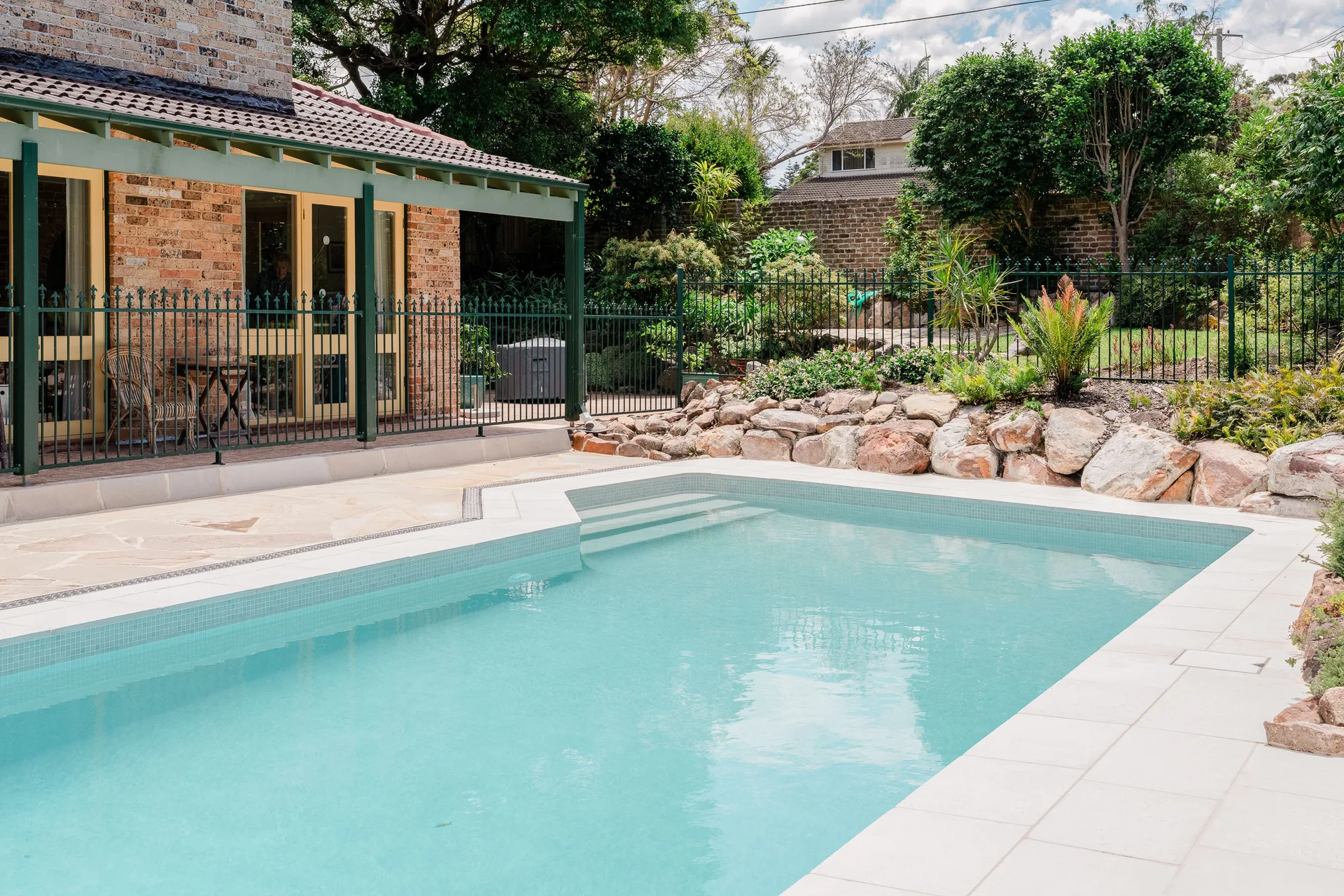
Concrete pools built in NSW before 2007 may have no bond between the shell steel and the home’s earth. A renovation exposes that steel, which makes it the simplest time to add one.
What equipotential bonding does
The steel cage inside a concrete pool shell conducts electricity. Equipotential bonding connects that steel, and any metal within 1.25 m of the pool edge, to the earth bar at the home’s switchboard. Everything then sits at the same voltage, so a fault in a pump or heater has no path through a swimmer.
Why older NSW pools may not be bonded
Bonding requirements for concrete pool shells came in with AS/NZS 3000:2007, the Wiring Rules, and an amendment in 2012 made bonding of the shell steel a clear rule for all conductive pools. Pools built before then may have no bond to the steel, and only a licensed electrician’s test can confirm it either way.
How bonding is added during a renovation
- A licensed electrician tests for an existing bond before demolition starts.
- Removing the coping exposes the reinforcing steel in the bond beam.
- A conductor runs from the steel to a connection point beside the pool equipment, then to the switchboard earth.
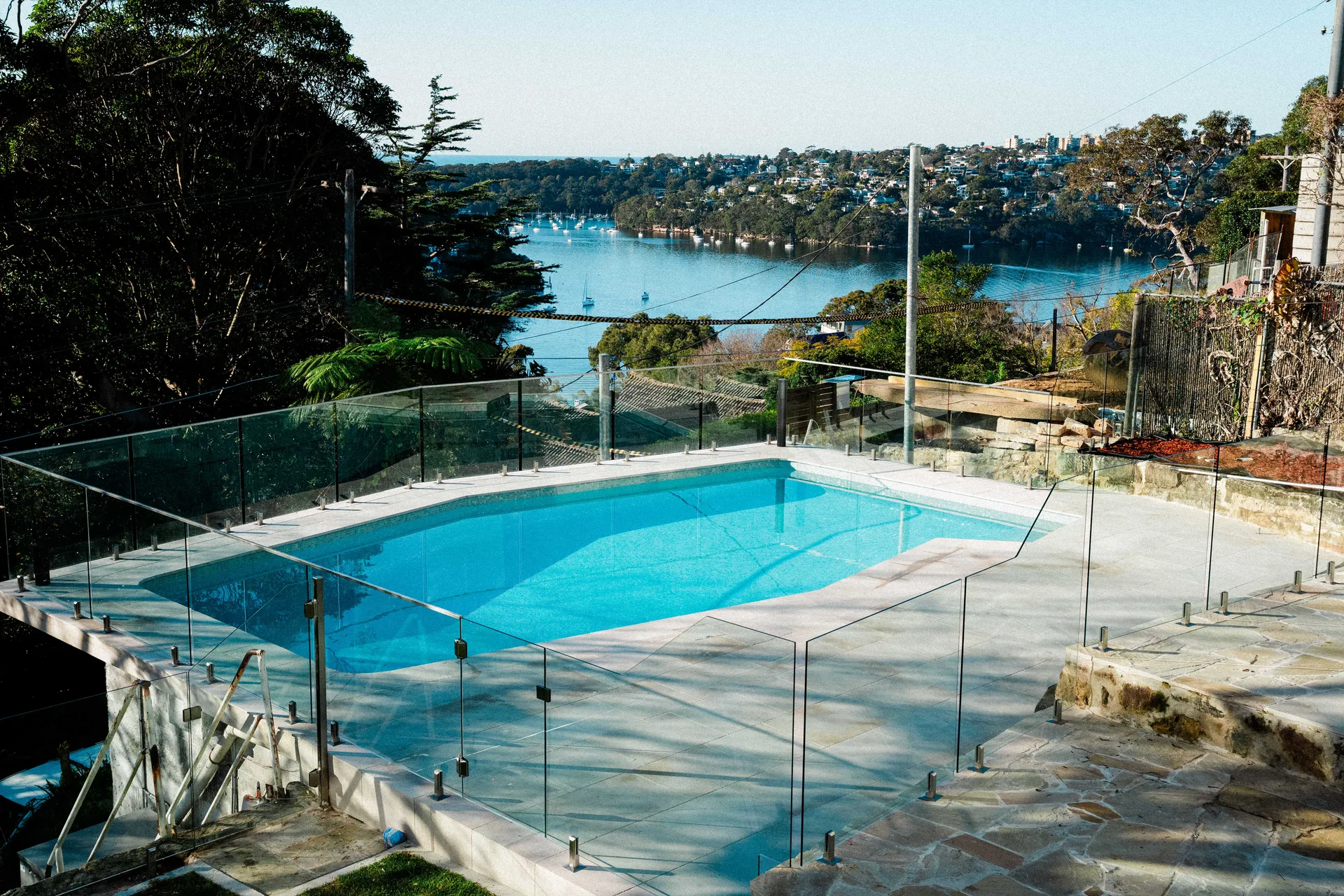
- Metal within 1.25 m of the pool edge, such as glass fence spigots and ladders, is added to the same bond.
- The bond is tested before the new coping goes on.
Once the coping and pavers are back in place, the bond beam is covered again, so adding bonding later means lifting finished work.
The risk without bonding
A fault in the pump, heater, pool light or nearby wiring can leave the water and surrounding metal at different voltages. Western Australia’s Building and Energy regulator notes this exposes swimmers to the risk of electric shock, most of all where they touch the water and a metal ladder or fence spigot at once.
Cost, time and what a proposal should include
Bonding an existing pool during a renovation typically costs around $800 and takes an electrician about four hours.
WorkSafe Queensland notes that a standard pool building contract may exclude electrical work beyond the bonding conductor itself. A thorough renovation proposal lists the electrical scope in full:
- Testing for an existing bond before demolition.
- Bonding of the shell steel and all metal within 1.25 m of the pool edge.
- Circuits for any new pump, heater or lighting.
- A Certificate of Compliance for Electrical Work from the licensed electrician.
Jason Rowe is the director of Restore Electrical, a licensed electrician and Level 2 Accredited Service Provider, authorised to work on the connection between a home and the electricity network. He has run residential and Level 2 electrical businesses across Sydney and the Central Coast for over a decade, with a particular focus on compliance with the Wiring Rules. His businesses have earned over 300 five-star reviews and two local business awards.