Renovations
How do I look after the limestone tiling around my pool?
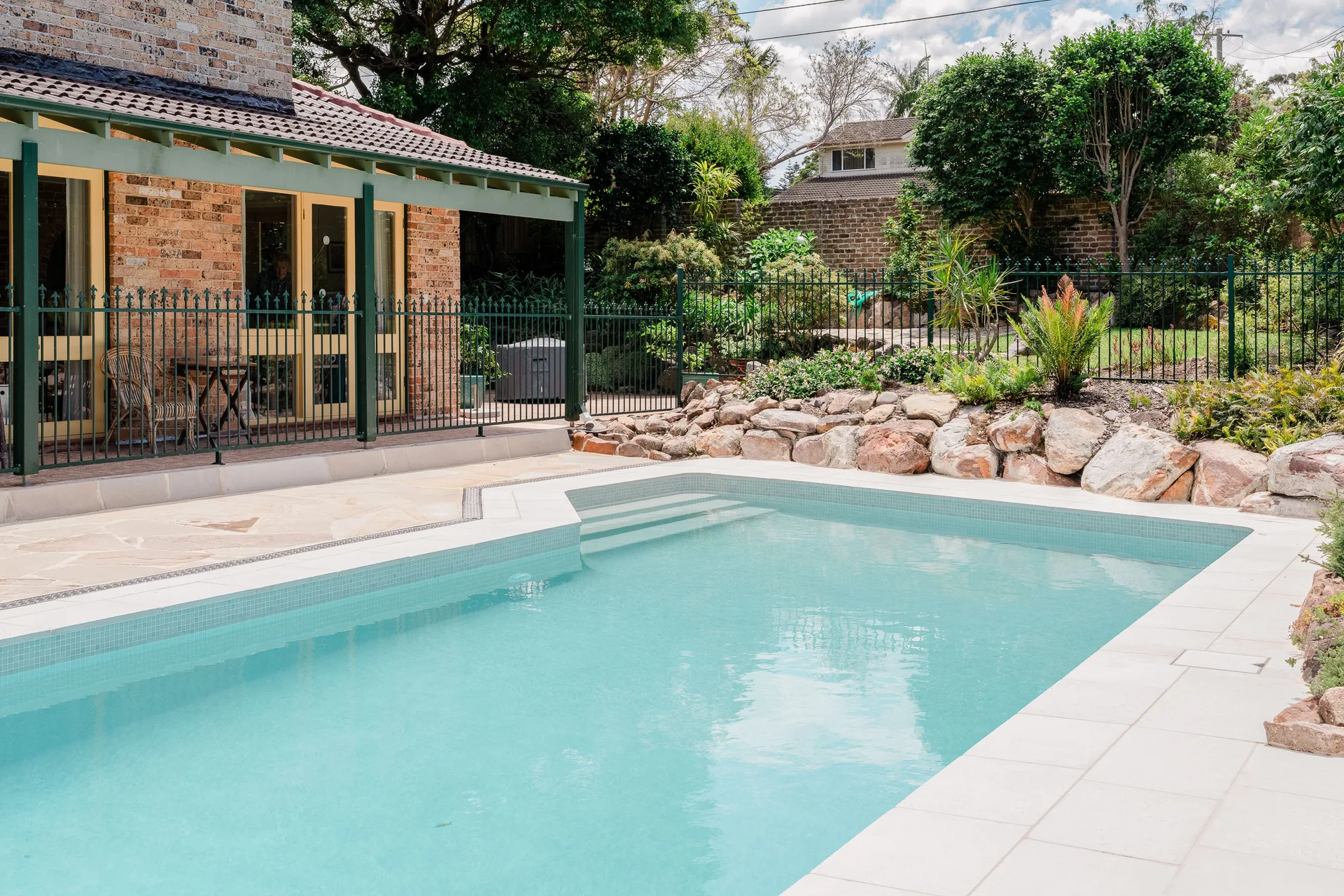
Limestone pool coping and surrounds need a fresh water rinse every week, a clean with a pH-neutral stone cleaner every month, and a professional clean and reseal around every 3 years.
Why does limestone pool coping need its own care routine?
Coping takes more punishment than any other stone in the yard. Coping is the stone edge that caps the top of the pool wall. It is splashed with pool water every day, then dries in the sun. Each time, salt, chlorine and dissolved minerals are left on the surface.
Limestone is porous and sensitive to acid. In Sydney, homes on the Northern Beaches and in the Eastern Suburbs add salt air to the mix. Left alone, these deposits build up and can contribute to deterioration of the stone and the grout between pavers.
That is why the recommended interval for a professional clean and reseal is 3 years around a pool, compared with 5 years for limestone paths and courtyards elsewhere in the garden.
What are the signs limestone coping needs attention?
A monthly inspection catches most problems early. Look for:
- White or chalky deposits, which can point to salt build-up or efflorescence
- Brown marks from leaves and other organic matter
- Changes in colour, surface texture or finish
- Cracked, crumbling or missing grout
- Signs the sealer is no longer performing, which is worth a professional assessment
Dealing with these early is far easier than fixing them once they have set in.
How should limestone pool coping be cleaned?
Weekly fresh water and a monthly pH-neutral clean is all most coping needs.
Every week, hose the coping and surrounding paving with fresh water. Focus on the splash zone and anywhere pool water sits and evaporates. Sweep or blow off leaves at the same time. Leaves release tannins, natural plant compounds that leave brown marks on stone, especially when wet. For saltwater pools, the weekly rinse matters most after heavy use.
Every month, wash the stone with a pH-neutral natural stone cleaner such as Barefoot Maintain. pH-neutral means the cleaner is neither acidic nor alkaline, so it lifts dirt without attacking the stone or the cement-based grout.
On large paved areas, a pressure washer can help if it is used carefully. Fit a circular surface-cleaning attachment, often called a deck-head, and use a low setting. The attachment spreads the water evenly. A concentrated jet can erode the stone face and blast out grout. Test a hidden area first.
How often should limestone pool coping be resealed?
Around every 3 years, or sooner if the stone shows wear.
Limestone around pools is sealed with a penetrating sealer, a product that soaks into the stone and reduces how much liquid it absorbs, without leaving a coating on top. Barefoot Pool Barrier is one made for pool surrounds. Sealing makes routine cleaning easier. It does not make stone waterproof, stain-proof, acid-proof or immune to salt.
The 3-year interval is a guide. Sealer life depends on the product, pool conditions, use and exposure. A professional service removes accumulated soiling, checks the stone and joints, and decides whether resealing is needed at all. If the sealer stops performing before 3 years are up, there is no reason to wait.
How does pool water chemistry affect limestone coping?
Water that runs out of balance damages stone, grout and pool equipment alike.
Keep pH within 7.2 to 7.6, subject to the pool system's requirements. pH measures how acidic or alkaline the water is, and water that drifts acidic is hard on limestone. Hot weather, heavy use, rain and chemical additions all shift it. Test regularly and keep a written or digital record at least monthly, with the date and any adjustments made.
Follow the chemical manufacturer's directions and keep concentrated product off the stone.
Water level matters too. A pool that sits too high overflows onto the coping, and the evaporating water leaves mineral deposits. Barefoot Living's guide puts the level at about 80 mm below the underside of the skimmer lid mount. The skimmer is the opening in the pool wall that draws surface water to the filter. Check the exact figure against the pool builder's or skimmer manufacturer's specifications, as designs vary.
What should never be used on limestone coping?
Acid in any form. That includes hardware-store acid washes, vinegar and citrus-based cleaners.
Bleach and other aggressive chemicals are also out, unless the stone supplier has confirmed they suit that stone and installation. Skip concentrated pressure jets too.
Acid treatments are often used to try to restore stone to its original look. Limestone changes colour over time and develops a patina, the soft weathered surface natural stone builds with age. That ageing is part of its character.
What can owners handle, and when does it need a professional?
Rinsing, monthly cleaning, water testing and prompt spill clean-up are owner jobs. Loose joints, cracking, movement or failing sealer need a professional.
Cleaning and resealing will not fix a structural problem, so arrange an assessment if any of these appear. The same goes for any stain, deposit or colour change with an unknown cause. The right treatment depends on the stone, its finish and what caused the mark.

Barefoot Living is a natural stone, tiles and artefacts specialist based in Manly on Sydney's Northern Beaches. Its own cleaning and sealing team services external stone, including pool coping and surrounds, and its stone care range includes Barefoot Maintain and Barefoot Pool Barrier.