Precast
Prefabricated Concrete vs Fibreglass Pools in NSW: 2026 Comparison
Prefabricated concrete and fibreglass pools both arrive on site as a finished shell, ready to lift into place. A precast shell weighs 8 to 16 tonnes, while fibreglass weighs a fraction of that. Both have clear strengths and trade-offs across site access, finish, depth and durability.
A prefabricated concrete pool shell costs $26,000 to $47,000 from Precast Pools and weighs 8 to 16 tonnes. Fibreglass shells run from 3.2 m to 12 m and weigh a fraction of that.
Weight can often be the deciding factor when choosing which prefabricated option will work for you. Where both options fit, the choice comes down to finish, depth and how each shell holds up over time.
Why weight is important
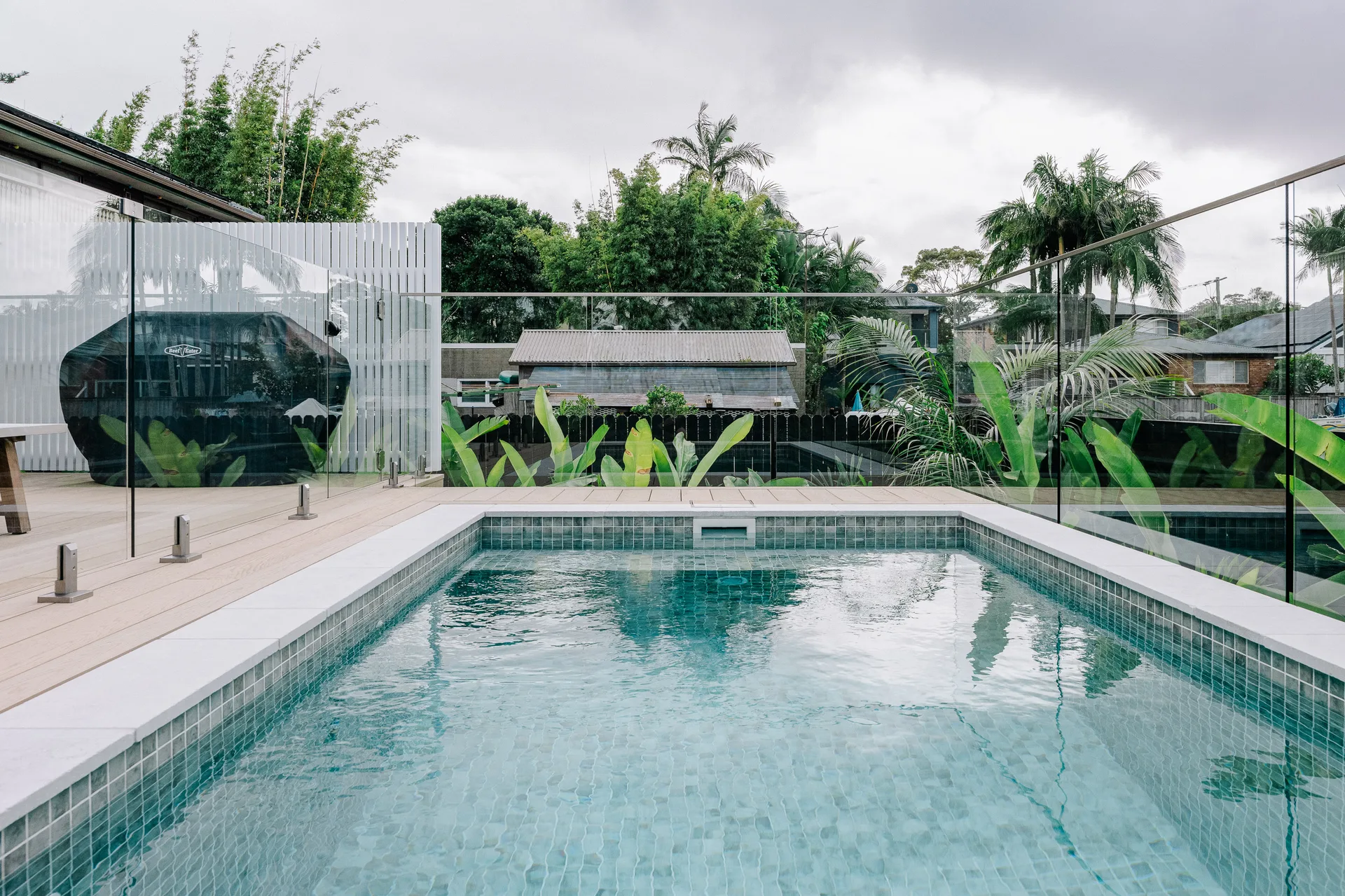
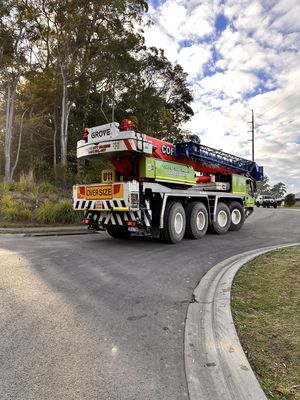
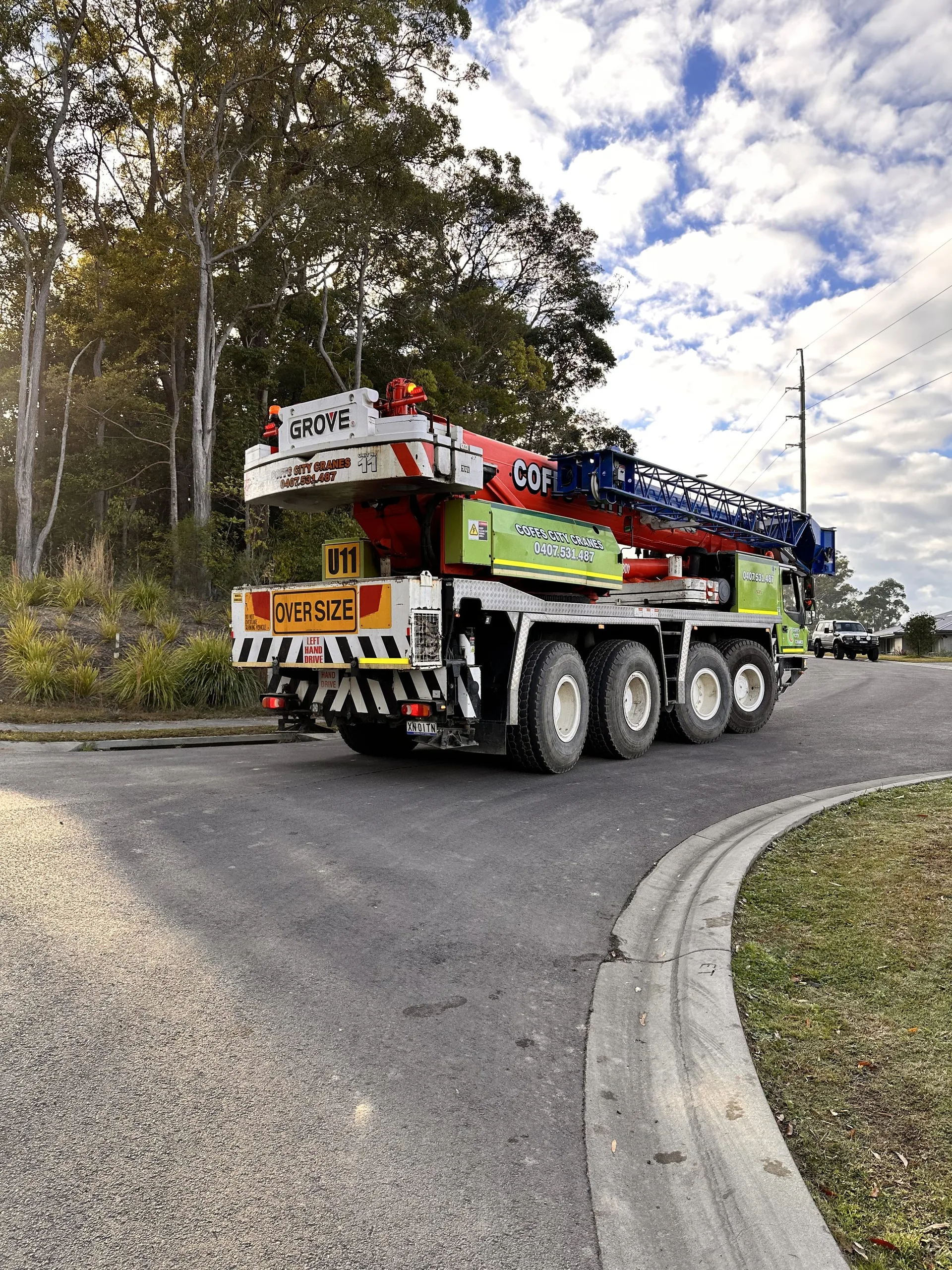
Precast Pools produces completed prefabricated concrete pools that are craned into place in one piece with a finished coping. The Precast Pools range weighs 8 tonnes for the 2.5 m Baltic and 16 tonnes for the 7 m Arctic. The further the crane has to reach, the bigger the crane required. Where a truck and crane can drive within 10 m of the pool, cranage can come in under $5,000. A 35 m lift from the street with a 300-tonne crane and traffic control can pass $25,000.
Fibreglass shells are light enough for smaller cranes and longer reaches, which opens up far more sites. The range is wider too, with shallow and deep ends, lap lengths and combined pool-and-spa shells. Precast Pools makes a single depth of 1.55 m, with a swim bench as standard.
What finish do you get?
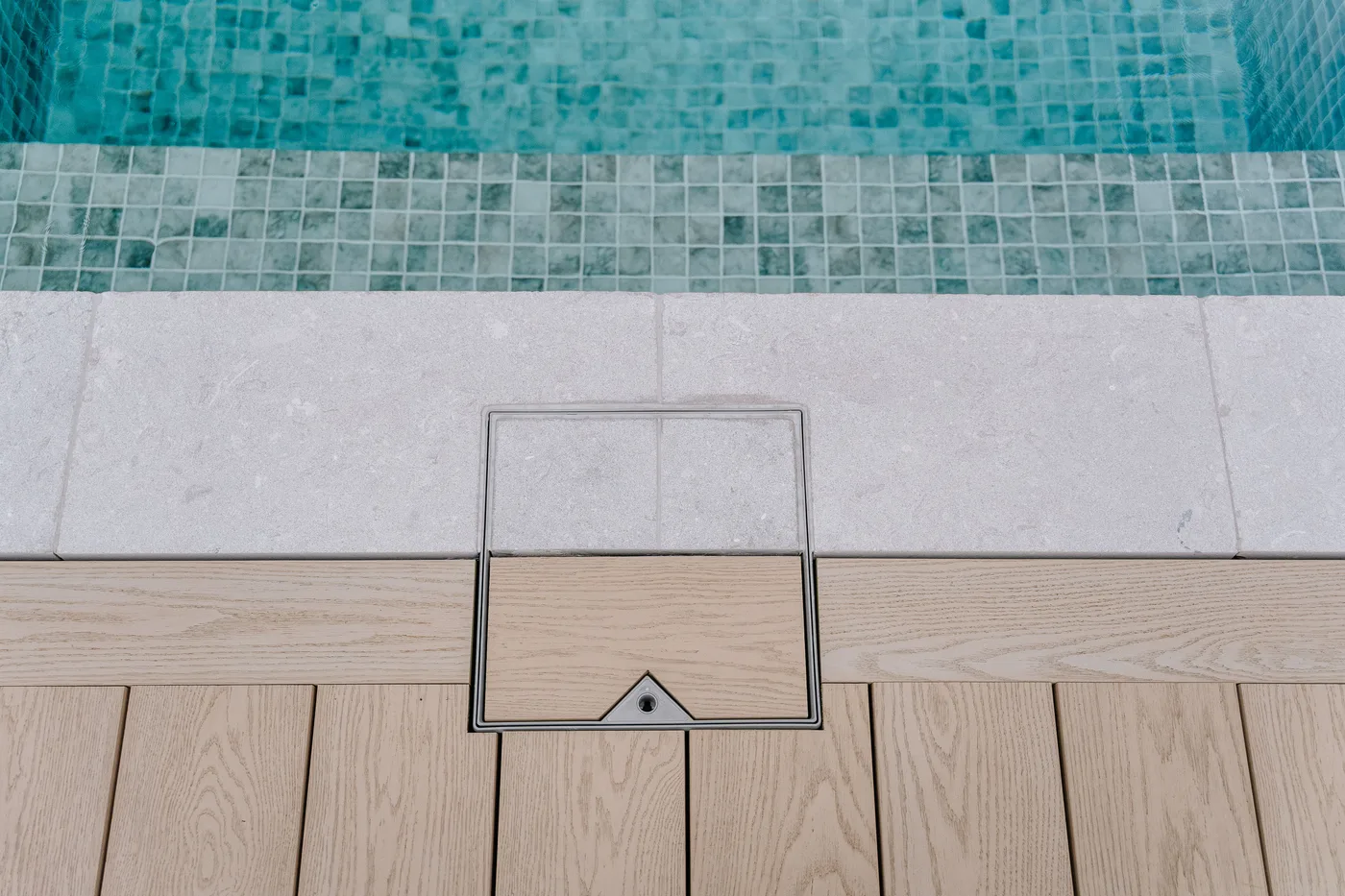
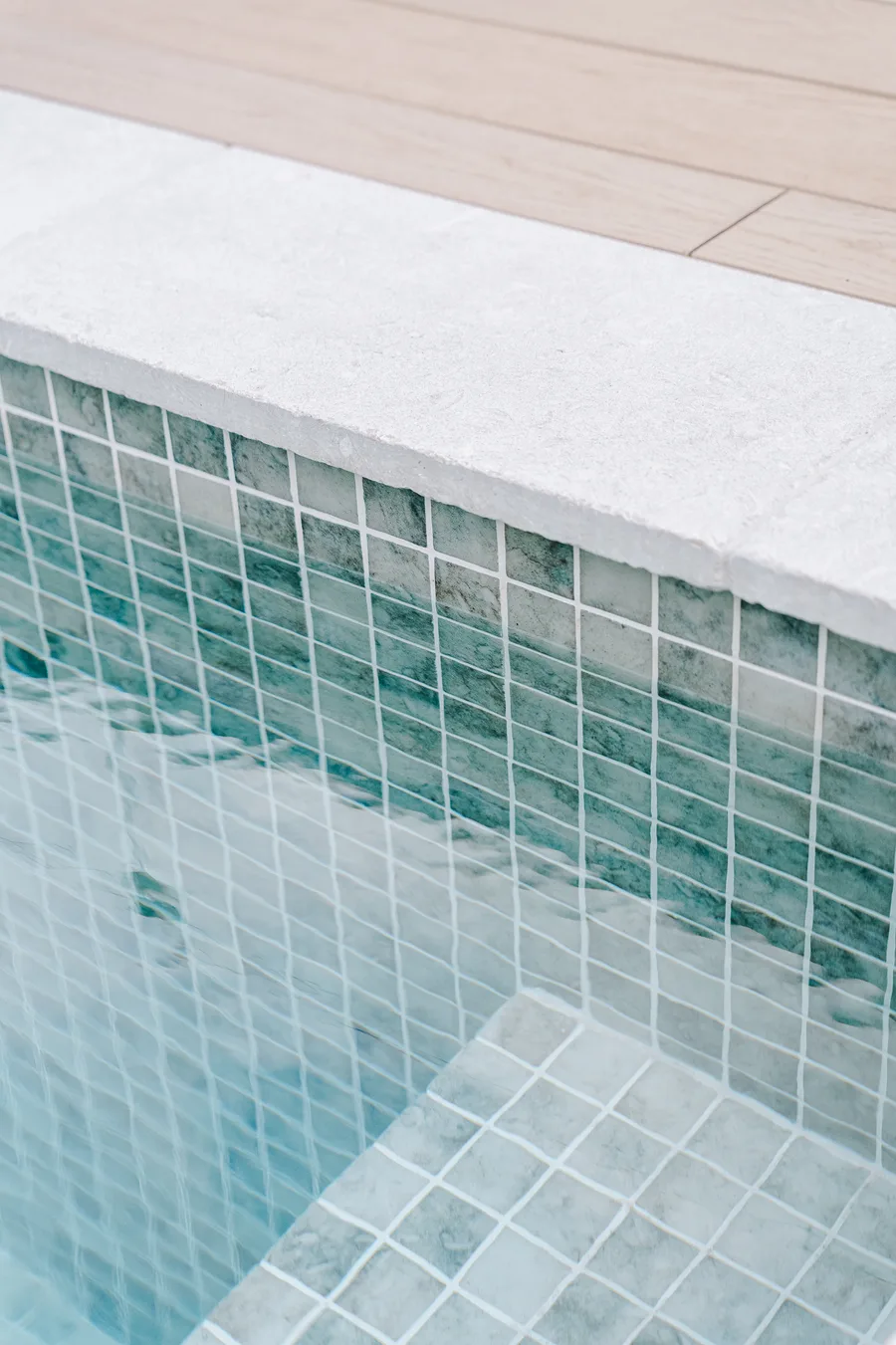
A prefabricated concrete pool has a masonry interior, so it takes the same finishes as any concrete pool: full glass mosaic tiling, or Beadcrete (a render with glass beads through it) with a waterline tile. When the interior reaches the end of its life, the shell can be resurfaced like any concrete pool.
Fibreglass is finished in gelcoat, a hard resin layer moulded into the shell. It is smooth and easy to clean, though it can’t be tiled or rendered. At the premium end of the market, masonry finishes are often preferred.
What are some disadvantages of each product?
Reported fibreglass problems trace back to the shell or the install. Osmosis, where water works through the gelcoat, can cause blistering in the surface. The shell also relies on correct bedding, backfill and drainage to hold its shape. AS 1839:2021 sets the installation rules, including site investigation, hydrostatic pressure (groundwater pushing on the shell) and reactive clay soils. When a shell flexes or blisters, repairs are difficult.
Precast concrete shells are limited in what sites they can offer an economical install. They also offer fewer options in size, shape, and features for the pool. If not cared for correctly, masonry finishes can be less durable than high-quality fibreglass interiors.
What can make each option attractive?
FIBREGLASS
- Light shell suits smaller cranes, longer reaches and tighter or steeper sites
- Lengths from 3 m to 12 m
- Shallow and deep ends available
- Combined pool-and-spa shells
- Smooth gelcoat surface that is easy to clean
- Long service life when installed well by a quality contractor
PRECAST CONCRETE
- Masonry interior, finished in full glass mosaic tiling or Beadcrete with a waterline tile
- Hundreds of options of different finishes, colours, and patterns are available in tiles
- Rigid shell, far less sensitive to how it is installed
- Interior can be resurfaced like any concrete pool when it wears out
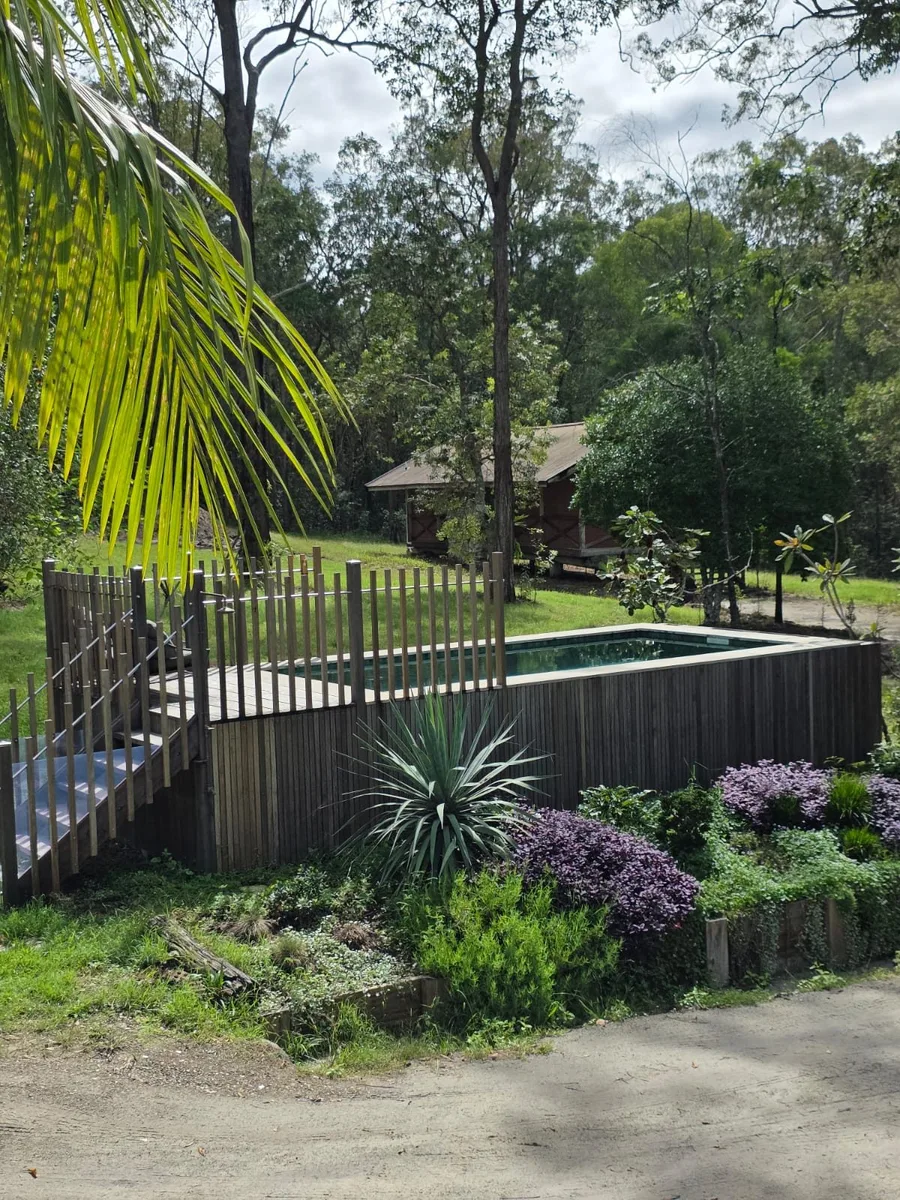
- Self-supporting, so it can sit in-ground, partly in-ground or above ground
- Concrete pools are generally considered the premium pool option
FAQ
Can a prefabricated concrete pool go into a tight or sloping block?
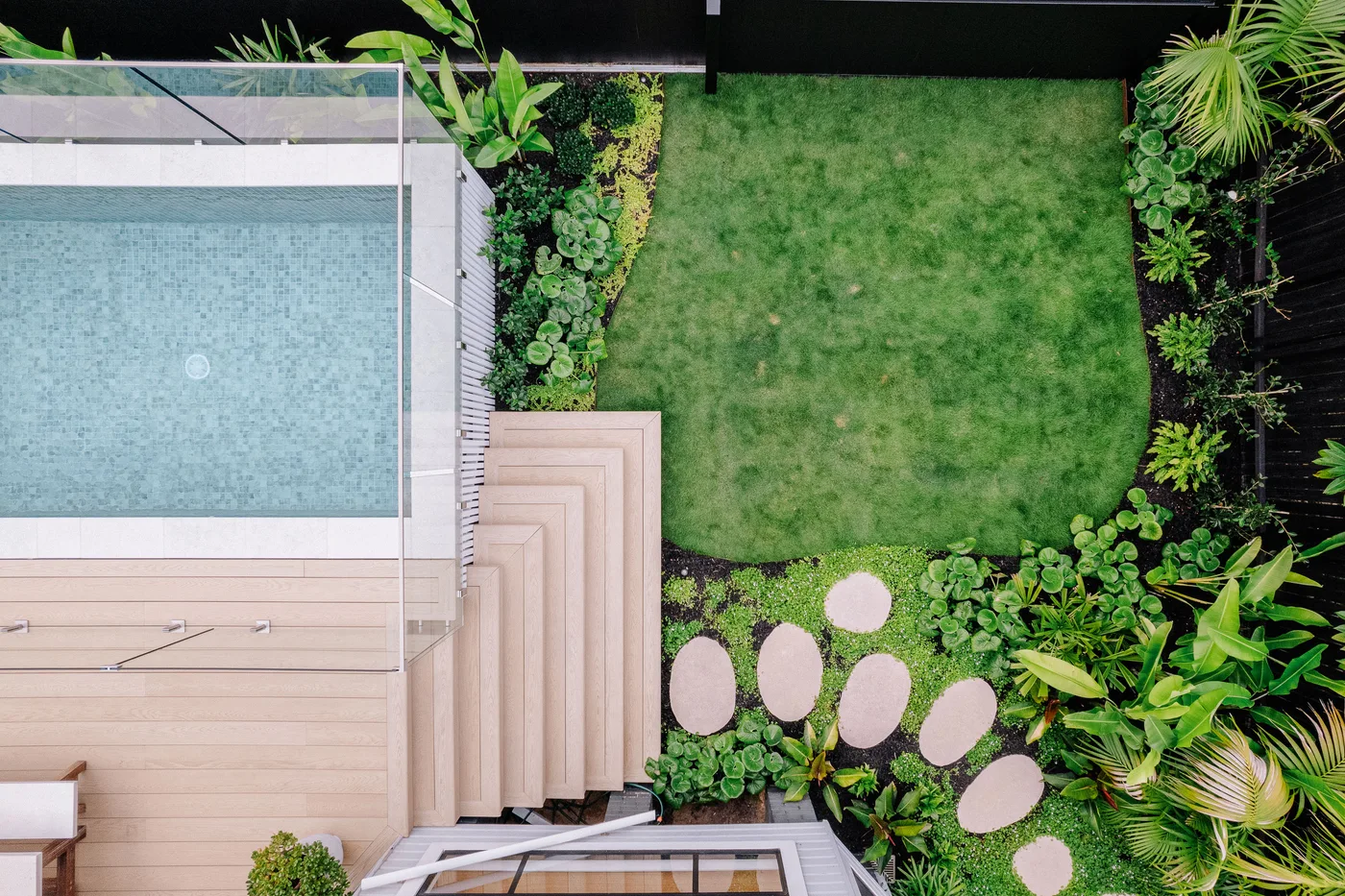
Often, provided a crane can reach. The further the pool sits from the crane, the bigger the crane, and powerlines or trees in the lift path can rule a site out. On a slope, the shell can sit partly or fully out of the ground, since Precast Pools shells are self-supporting.
Do you need council approval for a prefabricated concrete pool?
Yes. Every pool in NSW needs approval, either a Complying Development Certificate from a private certifier or a development application through council. Where zoning allows a CDC, approval can take as little as a day, while a DA can take several weeks. A geotechnical report is required, and a Section 10.7 planning certificate shows any council conditions on the site.